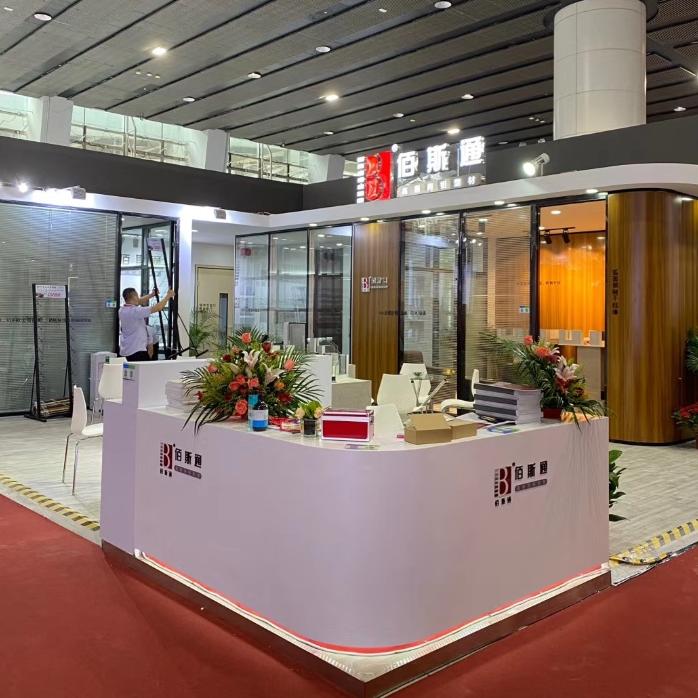
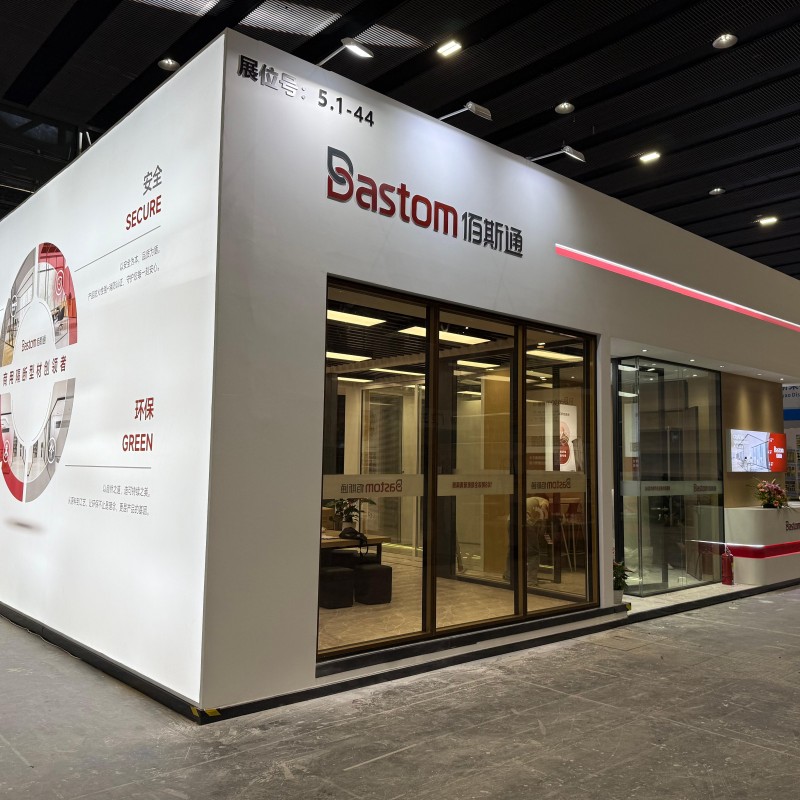
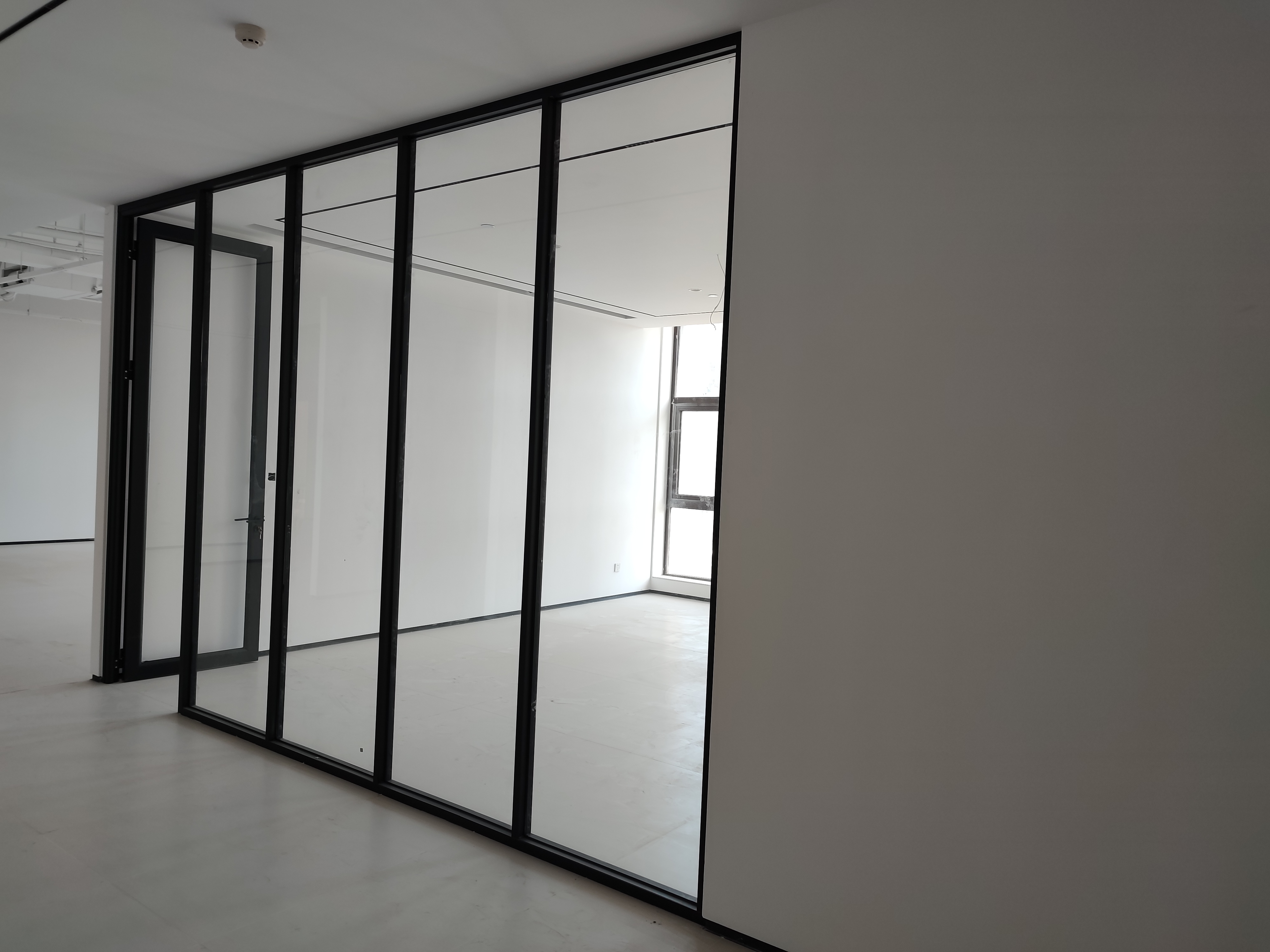
sound proof divider
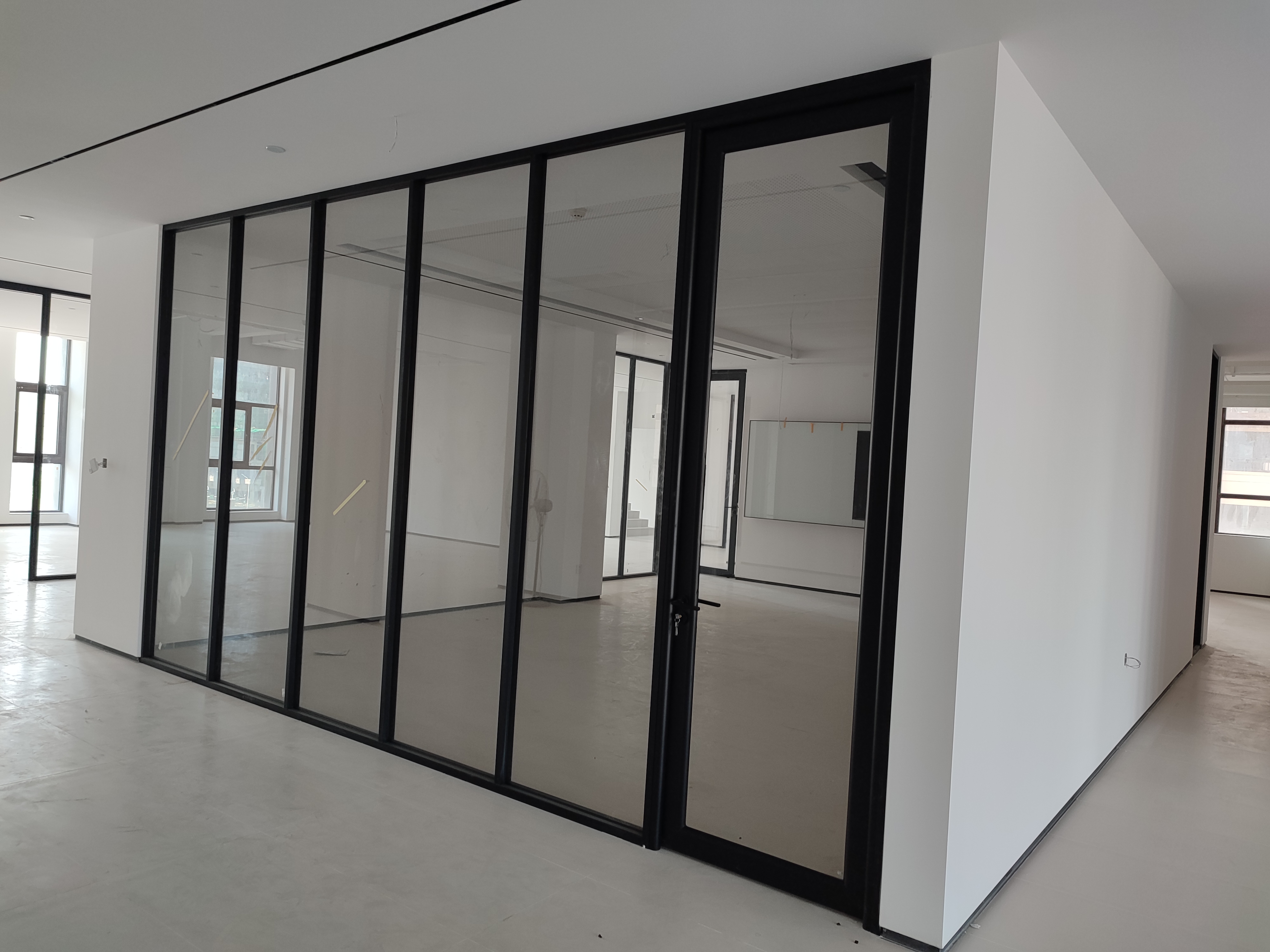
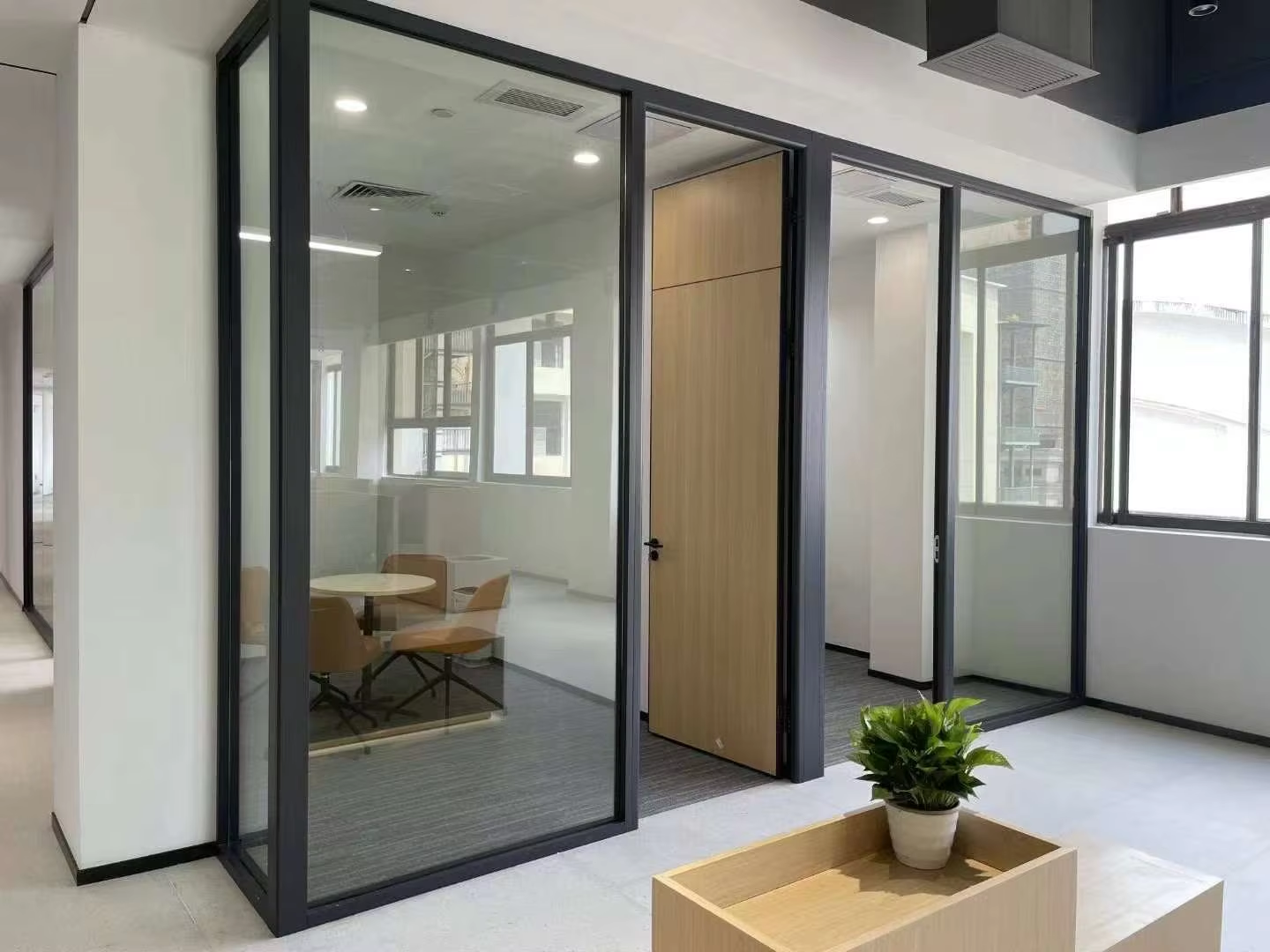
A sound proof divider is an innovative architectural solution designed to create acoustic barriers within shared spaces. This versatile partition system effectively reduces noise transmission between adjacent areas, making it an essential tool for modern office environments, educational institutions, healthcare facilities, and hospitality venues. The sound proof divider combines advanced sound-dampening materials with strategic construction to minimize sound waves and vibrations passing through barriers.
The primary function of a sound proof divider is to maintain acoustic privacy while allowing flexible space utilization. By implementing a sound proof divider, organizations can create distinct zones without compromising on functionality or aesthetic appeal. The system features multiple technological components, including high-density foam core, acoustic batting, and specialized framing that work synergistically to absorb and deflect sound energy.
Technologically, modern sound proof divider solutions incorporate sustainable materials that meet international acoustic standards. These partitions typically achieve sound reduction coefficients ranging from 40 to 85 decibels, depending on construction specifications. The sound proof divider can be customized with various surface finishes, colors, and dimensions to integrate seamlessly into any environment.
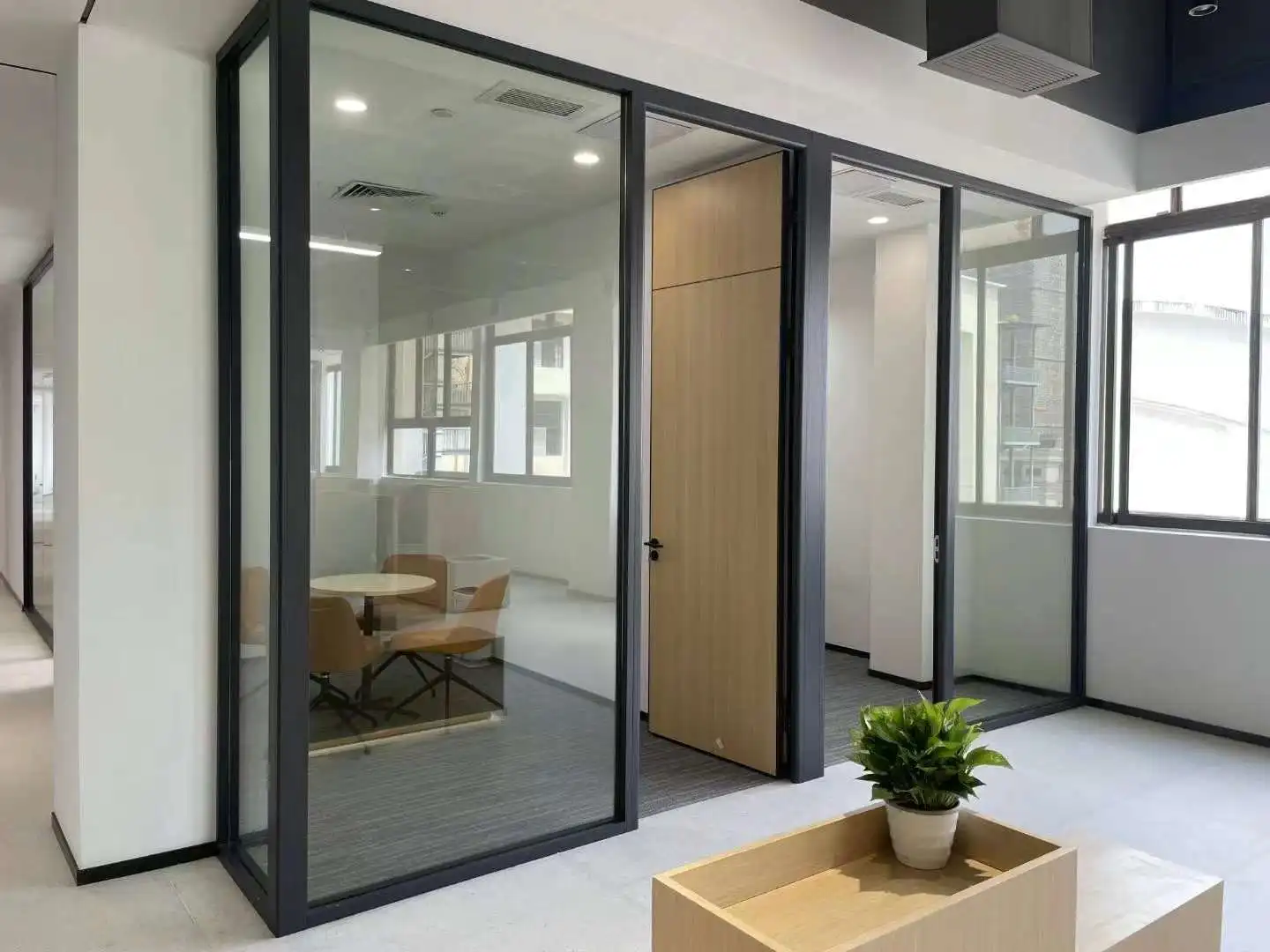
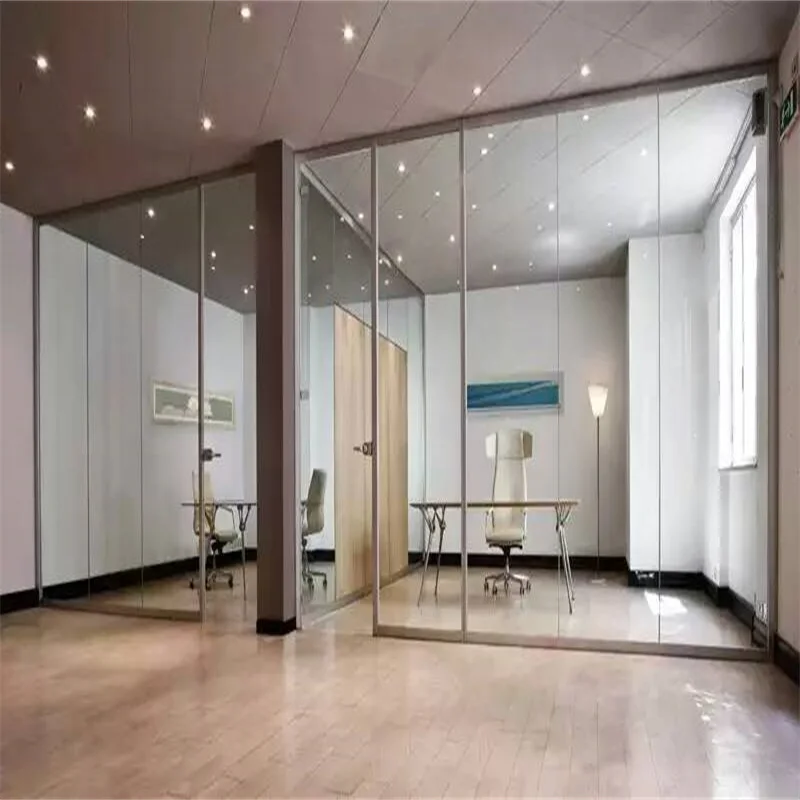
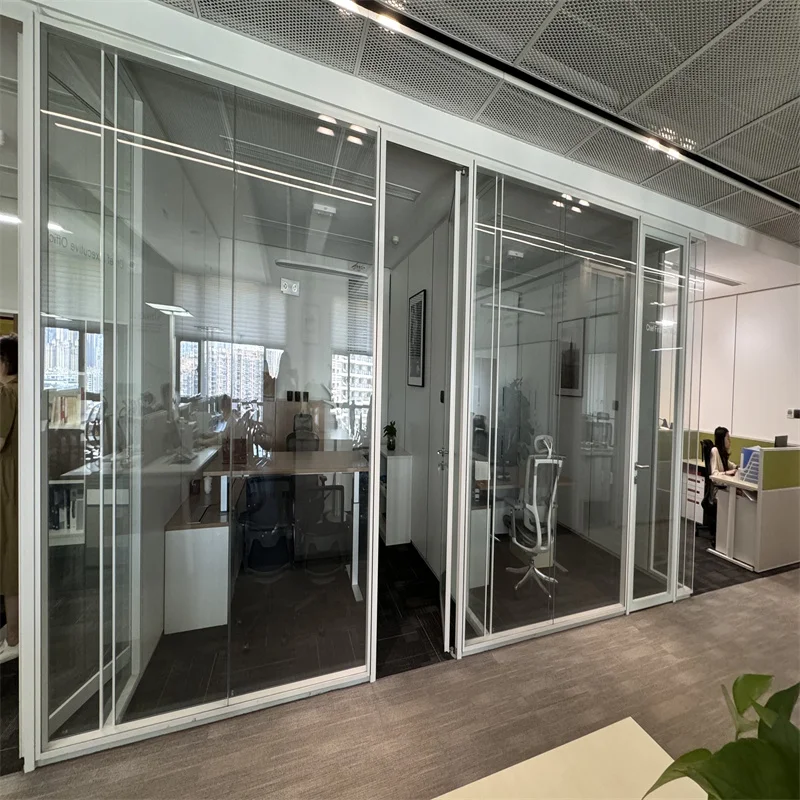
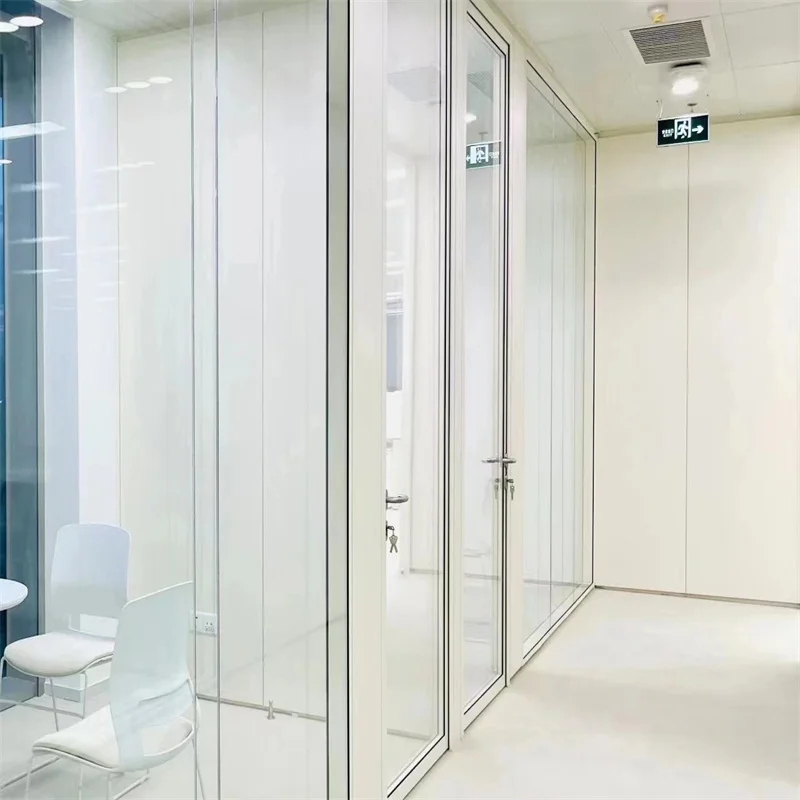
Applications for a sound proof divider span across diverse industries. Corporate offices utilize sound proof divider installations to create meeting rooms and focused work areas. Educational institutions implement sound proof divider systems to separate classrooms and laboratories. Healthcare providers use sound proof divider partitions for patient privacy and infection control. Hotels and restaurants employ sound proof divider solutions to enhance guest experiences by managing noise levels across dining and entertainment areas. The adaptability and effectiveness of a sound proof divider make it an invaluable investment for any organization seeking improved acoustic control and spatial efficiency.
 ×
×

 EN
EN