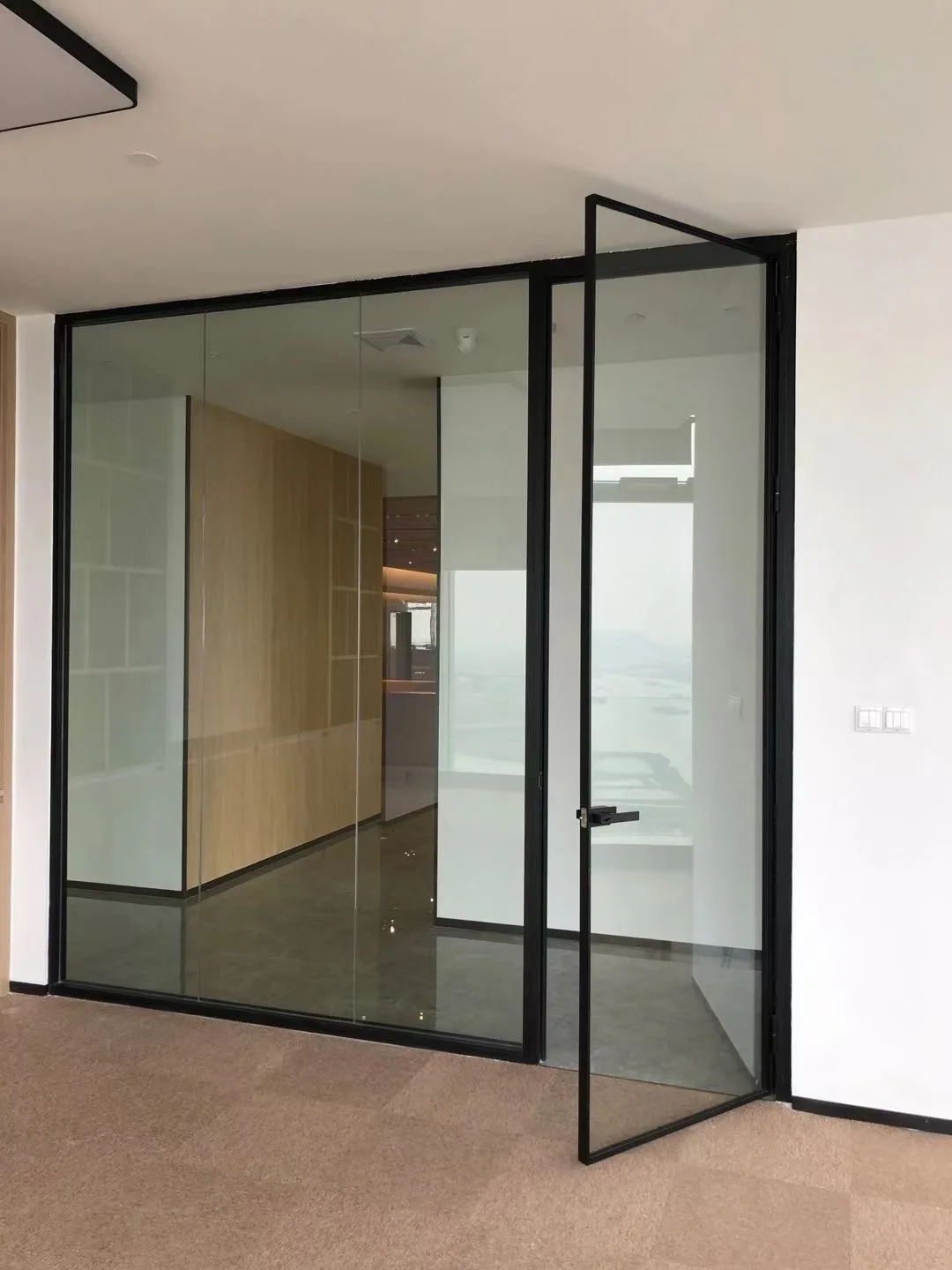
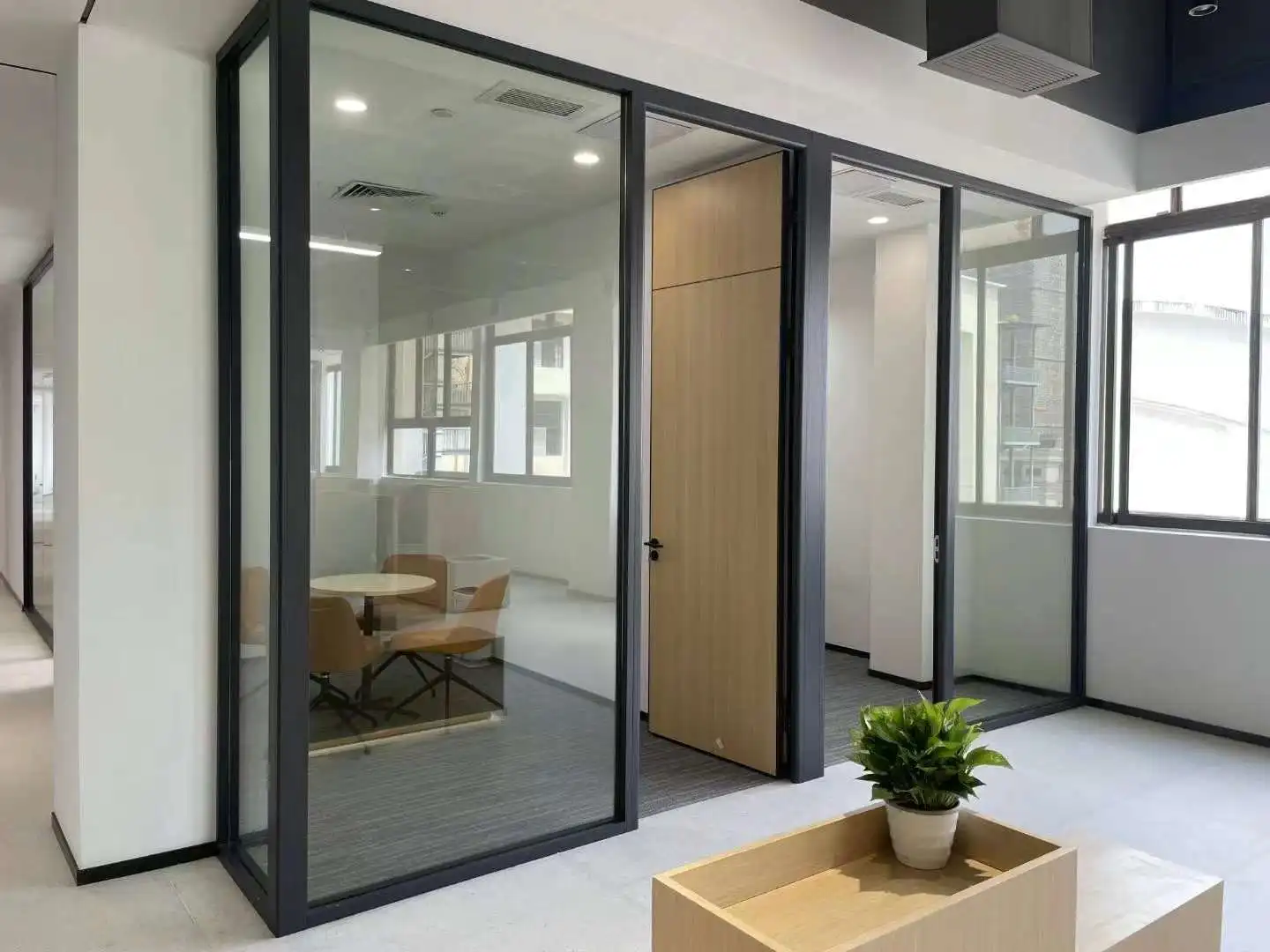
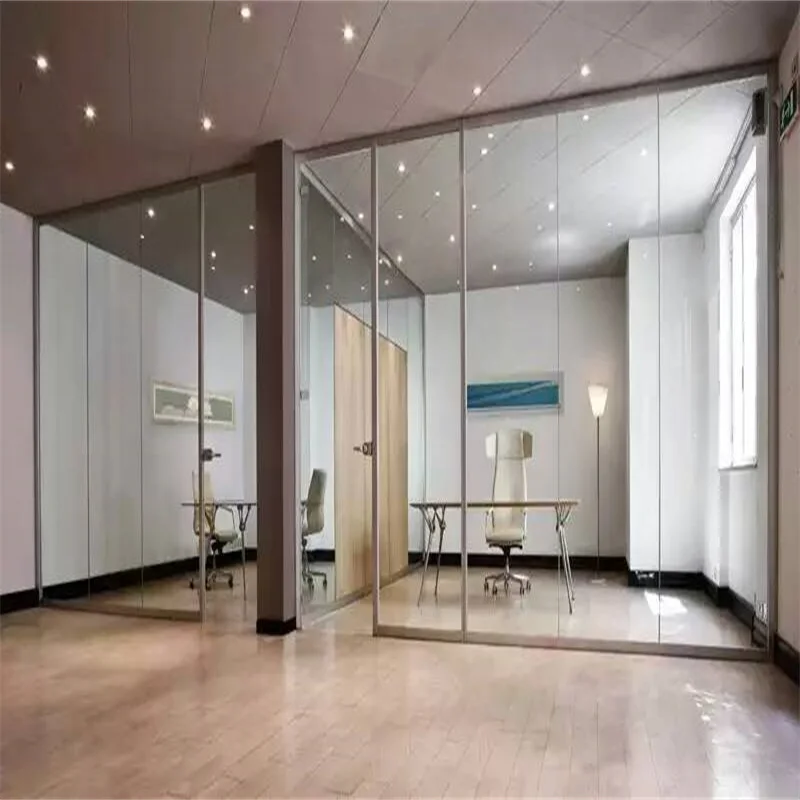
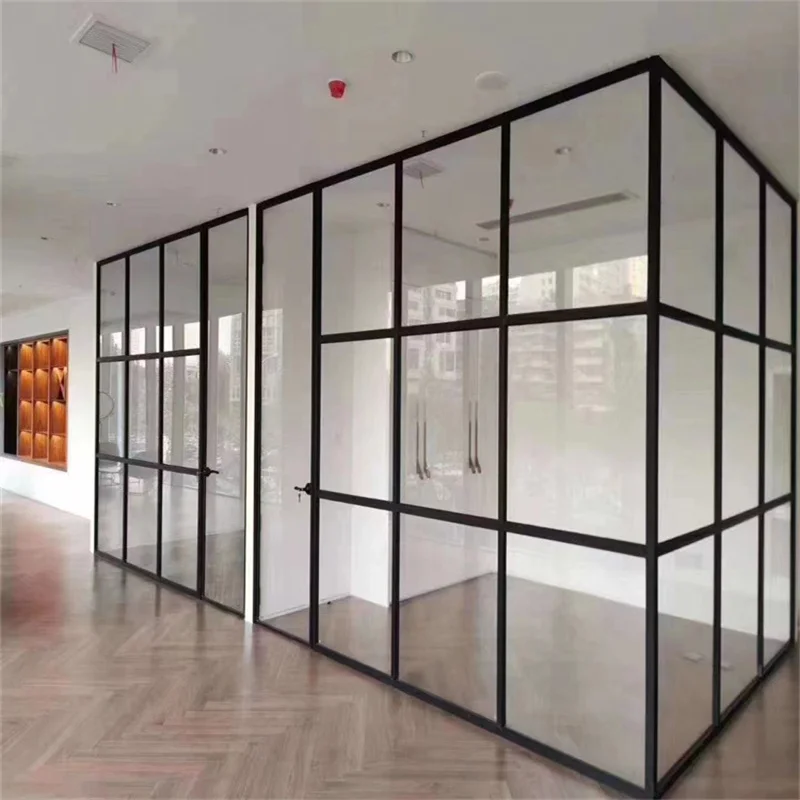
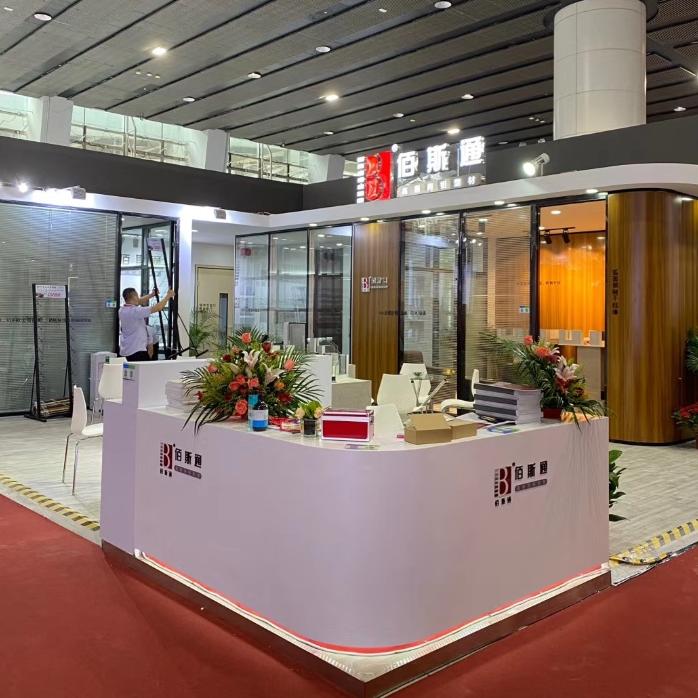
double glass partition
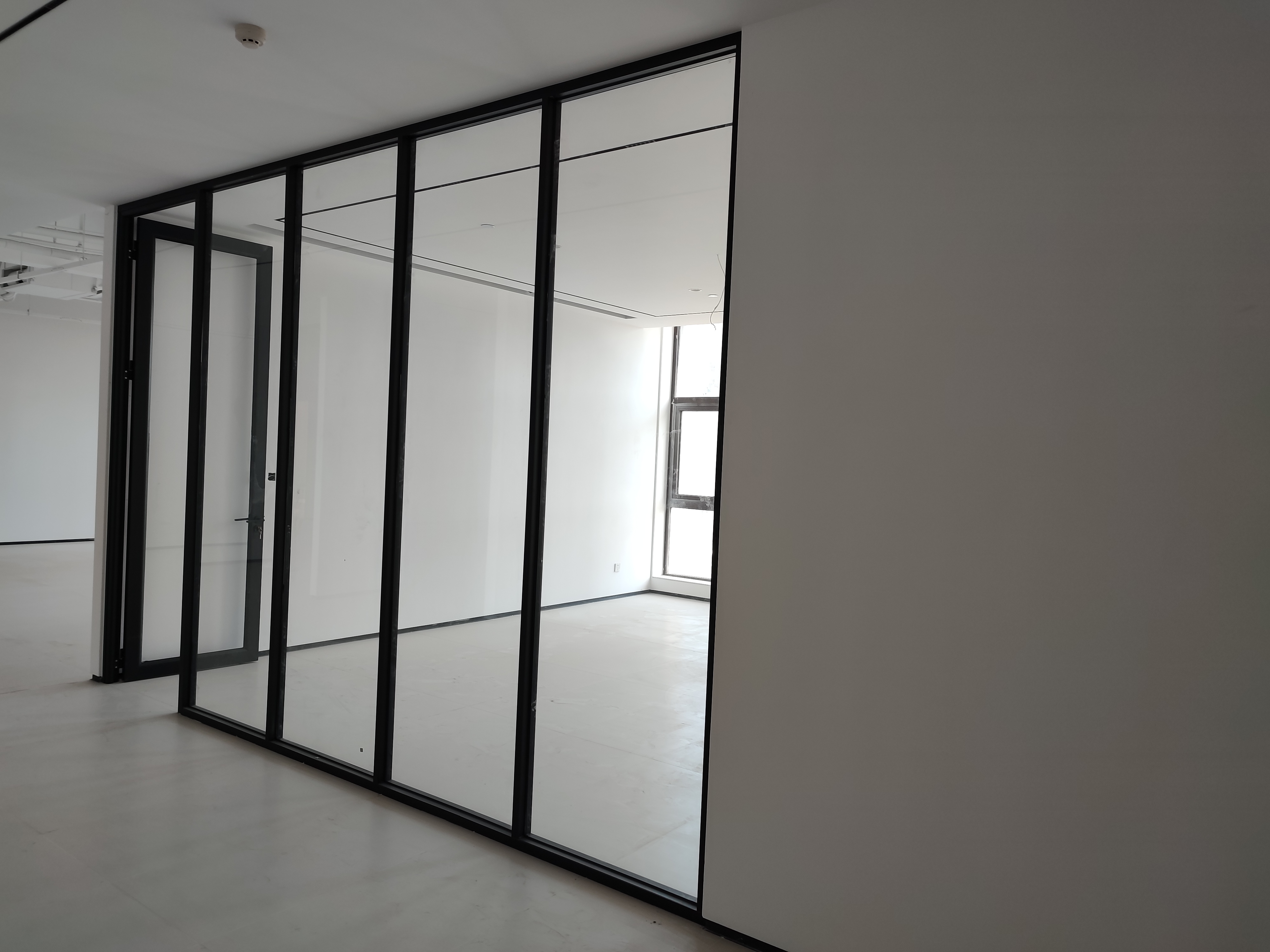
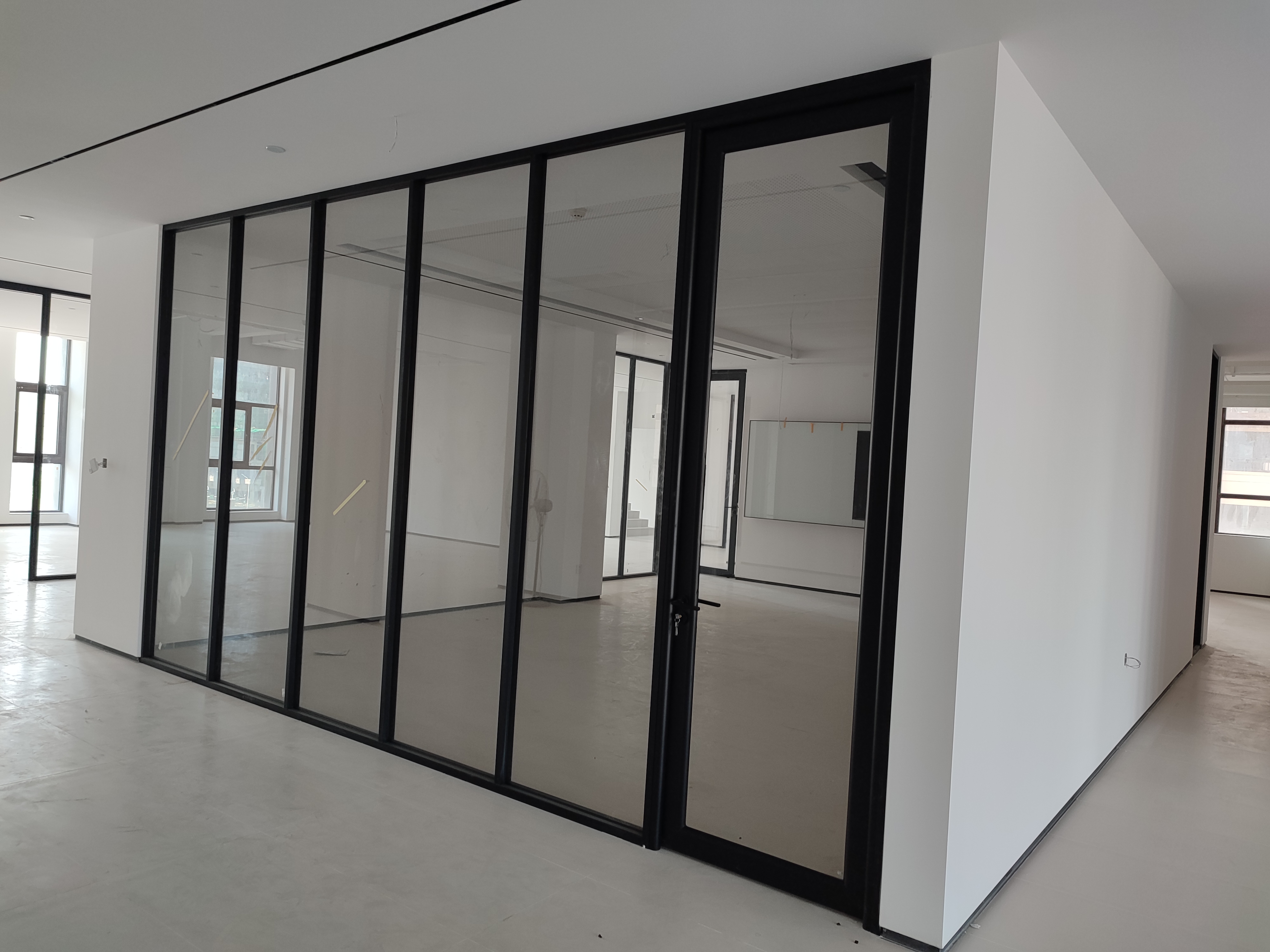
A double glass partition represents a modern architectural solution designed to create functional separation within interior spaces while maintaining visual transparency and light flow. This innovative system consists of two parallel panes of glass positioned with a gap between them, creating a sophisticated boundary that divides rooms without compromising aesthetic appeal or natural illumination. The double glass partition serves multiple purposes in contemporary office environments, residential settings, and commercial establishments.
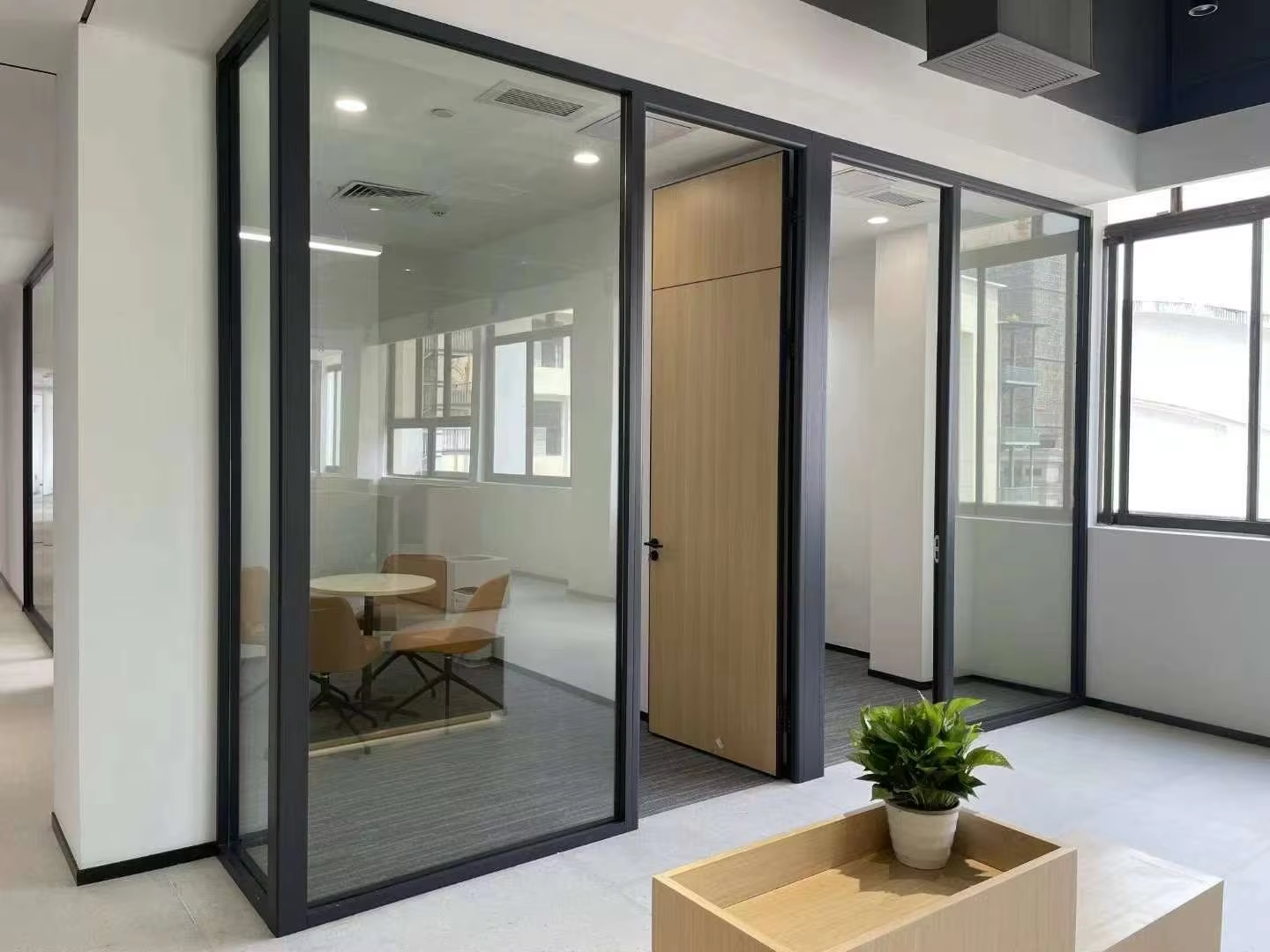
The primary function of a double glass partition is to establish distinct zones within open spaces while preserving the sense of openness that modern design principles emphasize. Unlike traditional solid walls, the double glass partition allows natural light to penetrate throughout the space, reducing dependency on artificial lighting and creating more welcoming environments. The gap between the glass panes provides excellent acoustic insulation, dampening sound transmission between adjacent areas and enhancing privacy without sacrificing visual connectivity.
Technologically, the double glass partition incorporates advanced glass treatments and framing systems that maximize durability and performance. The system typically features tempered or laminated glass panels that offer superior strength and safety characteristics. Modern double glass partition installations often include adjustable blinds integrated within the gap, providing occupants with flexible privacy control options. The frames are engineered from aluminum or steel materials that ensure structural integrity while maintaining a sleek, professional appearance.
Applications for the double glass partition span diverse sectors including corporate offices, healthcare facilities, educational institutions, and hospitality venues. Organizations implement double glass partition solutions to maximize space utilization, improve workplace collaboration, and enhance overall facility aesthetics while maintaining functional separation and acoustic privacy.
 ×
×

 EN
EN